Last year I teamed up with Georgia Bullen, Executive Director of Superbloom Design, to offer the cohort a session on Funding 101 for Civic & Political Tech. We covered a lot of ground in just an hour, including candid takes on the funding landscape, entity and legal eligibility types, and winning strategies. Now I work for a foundation, so hopefully it'll be even better!
A casual, ask-the-expert session on how projects actually get funded in the real world with Georgia Bullen and Matt Stempeck.
If you’ve ever thought “I have an idea… now what?”, this is for you.
We’ll discuss the practical side of getting a project off the ground: where funding comes from, how to find opportunities, what early-stage teams should prioritize, and what makes an application stand out when you don’t yet have a track record.
This session is especially relevant for fellow candidates thinking about what happens after a prototype: turning something scrappy into something sustainable.
Topics we’ll likely touch on:
-
Where to find funders and active opportunities
-
What first-time projects should look for (and avoid)
-
Legal structures and setup basics
-
Signals of credibility when you’re unknown
-
Partner development and early traction
-
What strong grant applications actually look like
Georgia is the Executive Director of Superbloom, where she works at the intersection of technology, movements, and public interest infrastructure, supporting teams building tools for civic participation, accountability, and collective action. Her work spans fundraising strategy, ecosystem building, and helping early-stage projects navigate the path from idea to impact.
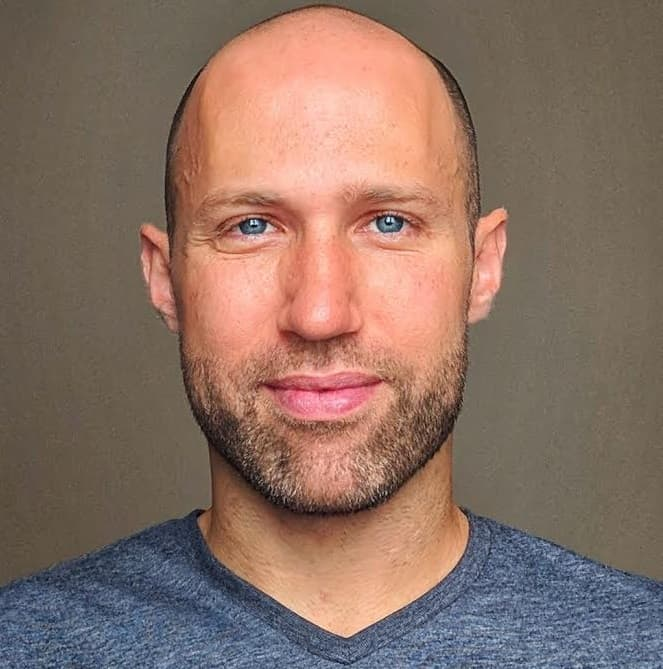
Matt Stempeck is a civic technologist and researcher focused on how technology can strengthen democracy and support real-world civic action. He is the founder of the Civic Tech Field Guide, a global collection of tools and organizations working in the public interest. He is faculty at Newspeak House (the London College of Political Technology) and has held roles across government, academia, and industry, including at Microsoft and Cornell Tech. His work focuses on helping projects move from ideas to impact, with an emphasis on practical strategies for participation, funding, and movement-building.