In a zero-knowledge proof, a prover aims to convince a verifier of the truth of some statement (e.g., that they know a password) without revealing anything beyond that it is true. This turns out to be a powerful primitive, with applications to voting systems, machine learning, cryptocurrencies, and many other areas!
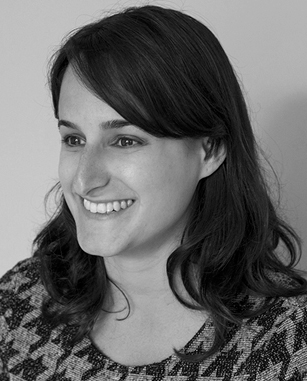
I have spent my whole career working on zero knowledge and would be happy to discuss zero-knowledge proofs at any level: how to build them, what guarantees they do and don't provide, whether or not they could (or should) be used for a given application, etc.