Topic
Sign in
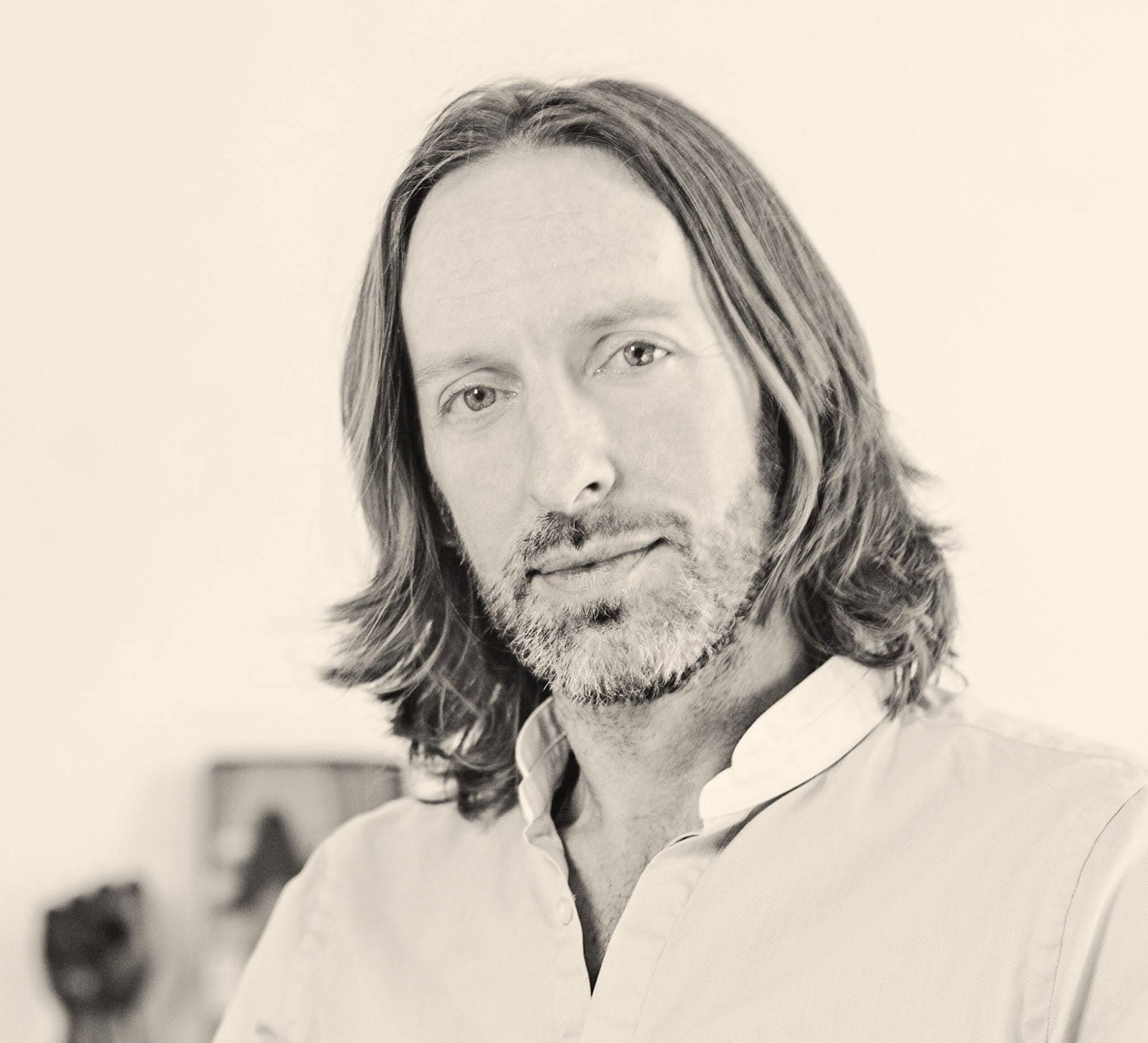
Ed Maklouf

Ed Maklouf

Faculty

I teach the evolution of voting and ritual aware design at Newspeak House.

I wrote a book on the evolution of voting and collective decisions, the Majority Myth, which considers elections as ceremonies of collective mind-changing.

I'm the director of the Collective Dynamics Lab, which prototypes and tests interfaces of democracy — next-generation voting systems and decision experiences that include ritual, narrative, and psychological acceptance.

I'm also Ambassador for the Sen Foundation, which supports and promotes the dissemination of the philosophy of the Arhuaco, an indigenous people based in Colombia.

I aim to be at the house 3 times per month, and run two sessions per term if there is interest. I tend to be available for online discussions on weekday mornings. If you want to book some of my time please reach out: [email protected]

Topics

What are the different forms and ways in which the collectives and political activities you work with are imagined? Getting clear about what metaphor is in play can help us stay honest when it comes to generalizations.

Metaphor often guides processes, obscures assumptions, and impregnates practical processes.
Revealing what the imagined pictures being used in politics are can be an excellent first step in figuring out what on earth is going on out there.

Ignorance of native american political ideas is a generalized feature of western and eastern political thinking. The Arhuaco Tribe of Colombia have resisted colonization, both physical and intellectual, until the present day - a story which counts as a miracle of resilience.

https://www.youtube.com/watch?v=j3mMB_BSTk4&t=32s

The tribe has institutions and traditions of deliberation, dialogue, and decision-making which are independent of enlightenment western norms, making it a fascinating and rare glimpse of diversity in decision making collectives.

Over the past 10 years I have had the privilege of researching, interviewing and living with Arhuaco leaders and the wider community.

The central thesis of my book The Majority Myth is that voting is usually a social ritual. If that is at all true, then those of us who wish to foster or impulse collective decision of any kind ought to be in the business of ritual design. Some practical versions of Ritual Aware Design voting systems, such as 3dV Voting, can be seen at www.codynamics.work.

A decision ritual designer takes the view that the process taking place is one of changing how the participants think.  The idea that voters combine their opinions for the purpose of choosing between options is replaced with the idea that the voting acts upon the participants to change their minds and produce acceptance of the result.

This is the main work of our fledgling Collective Dynamics Lab. I can work with you to review the design of your collective participation systems through this lens.

Standard ideas about what voting is, how it operates, and where it comes from are a set of widely held assumptions that are rarely challenged. These assumptions are often present in the foundations of political, democracy, and participation projects.  

By researching the evolution of voting from animal herd behaviors, through ancient history, and into the present day, I can offer a different description of what is going on when this protocol of counting is used.  

If you’re trying to answer questions like: How are people influenced in their voting? What are the optimal features of a fair collective decision system? What voting system is appropriate for what kinds of questions, then this conversation will help you start from the beginning.  

What can be said about the different numbers and quantities used in voting systems?  Is voting scalable, does it work the same way for 60 people as for 60 million?  What is implied by the numbers used in juries, panels of judges, etc.  What is the precise meaning of the threshold for winning an election?  

This topic may be of interest to those who are suspicious of the maths used in elections, democracy, and discourse. We can debunk assumptions about majorities that frequently pop up in internet arguments, but also review at the aristocracy of voting intellectuals and academia: Kenneth Arrow, Amartya Sen, Rousseau and others, and see whether their assumptions about the meaning of different vote counts hold water.

An exploration of animal collective decision methods, what they are based upon, and how they relate to human decision protocols historically and in the present day.